


Learn what sheet metal fabrication is, the common processes involved—including laser cutting, press brake bending, welding, and surface finishing—and its applications in industrial manufacturing.
What Is Sheet Metal Fabrication?
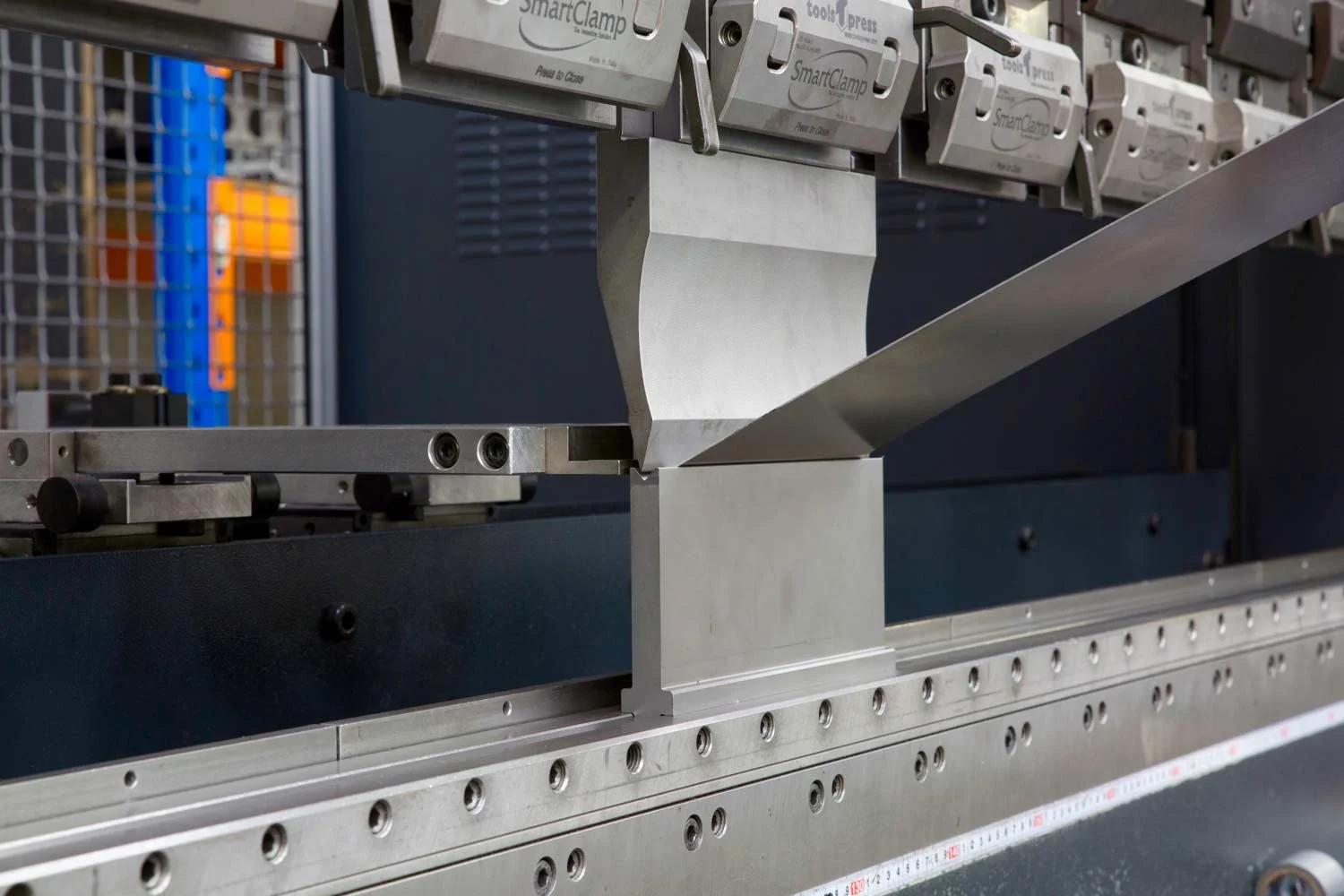
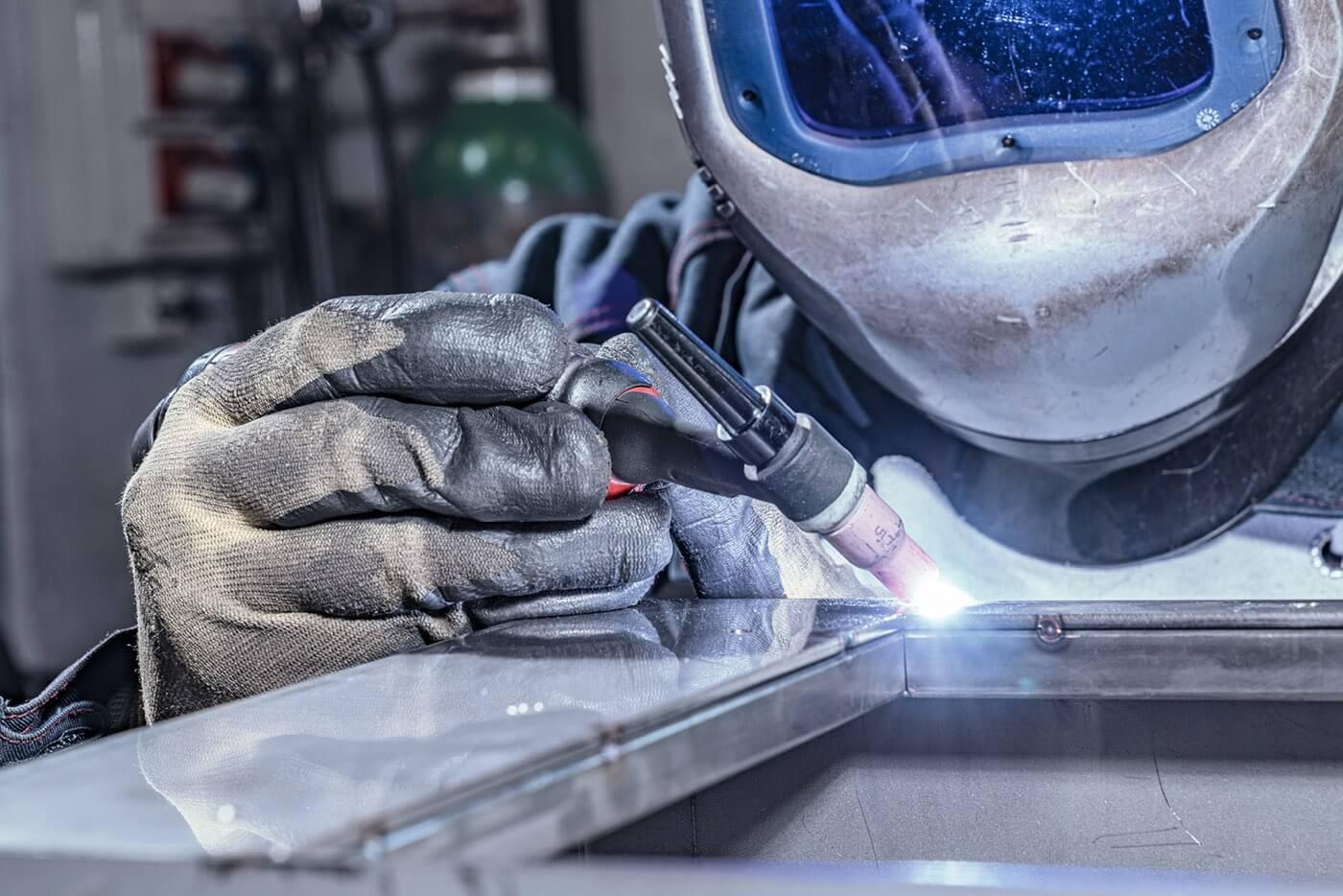
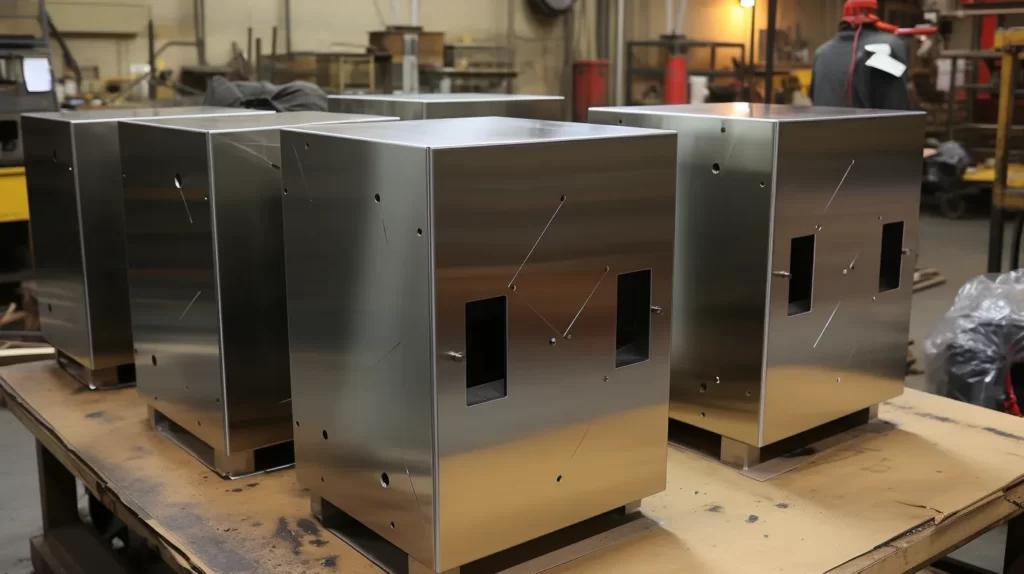
Sheet metal fabrication is the process of manufacturing products from metal sheets through operations such as cutting, bending, punching, welding, assembly, and surface treatment.
This method is widely used in industrial manufacturing due to its ability to produce a wide variety of components and structures with high precision, fast production times, and scalability.
Sheet Metal Fabrication Process
A sheet metal fabrication project typically involves the following steps:
- Drawing ReviewEvaluate technical requirements, materials, dimensions, and product quantities.
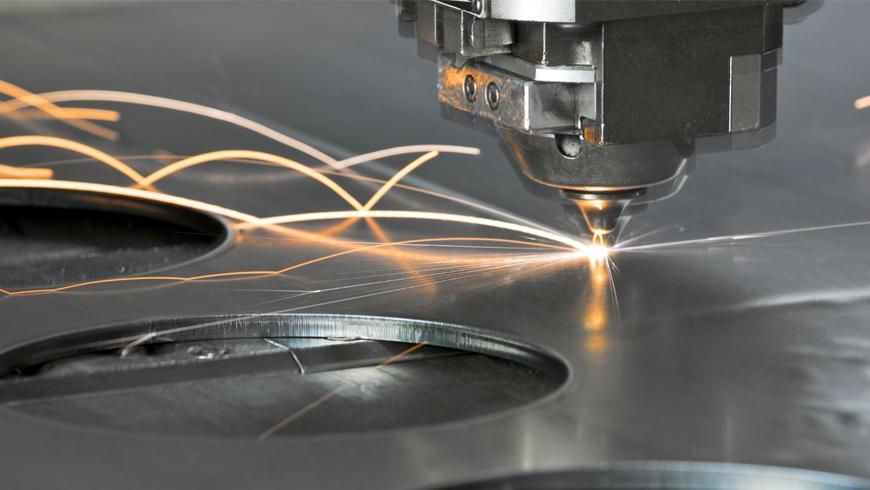
- Blank CuttingMetal sheets are cut according to the design using suitable technologies such as laser cutting, plasma cutting, or CNC punching.
- Bending and FormingComponents are bent to the angles and dimensions specified in the drawings using CNC press brake machines.
- Welding and AssemblyComponents requiring joining are welded or assembled according to technical requirements.
- Surface TreatmentDepending on the intended application, products may undergo powder coating, plating, anodizing (for aluminum), or other finishing processes.
- Inspection and DeliveryProducts are inspected before packaging and delivery to the customer.
Commonly Used Materials
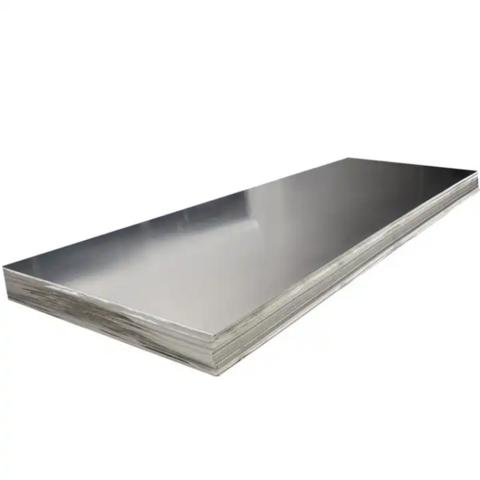
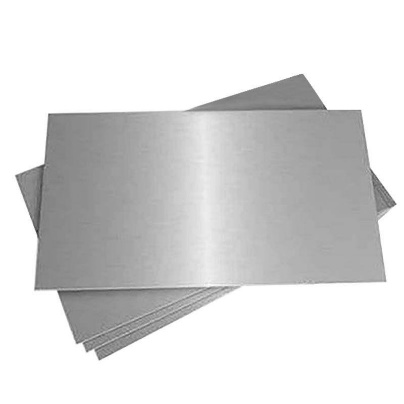
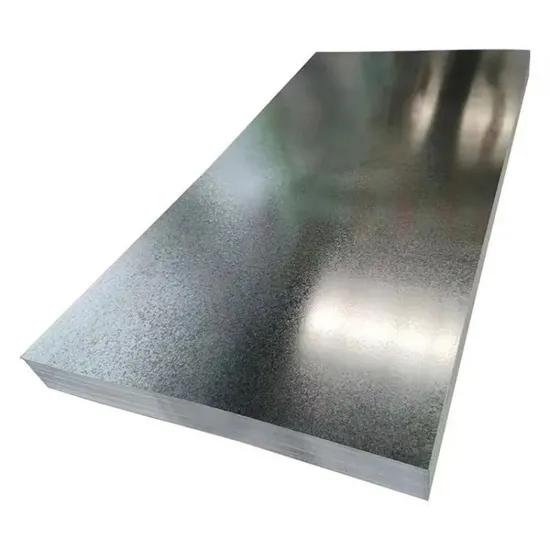
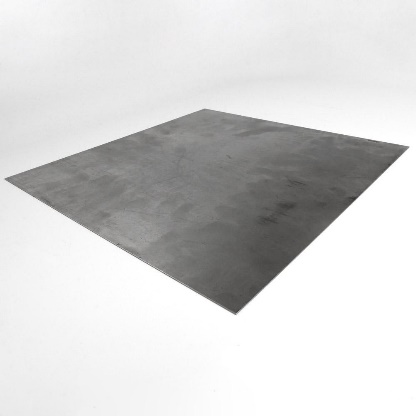
Sheet metal fabrication can be applied to a wide range of materials, including:
- Carbon steel.
- Galvanized steel.
- Stainless steel.
- Aluminum.
- Copper.
- Other alloys according to requirements.
Material selection depends on the operating environment, durability requirements, and product specifications.
Advantages of Sheet Metal Fabrication
Sheet metal fabrication is widely adopted by businesses due to the following benefits:
- High precision.
- Suitable for a wide variety of product designs.
- Optimized material usage and reduced waste.
- Easy scalability for mass production.
- Flexible integration with various surface treatment methods.
- Fast production times for suitably designed products.
Real-World Applications
Sheet metal fabrication is used across a wide range of industries and applications, including:
- Electrical cabinets.
- Machine enclosures.
- Equipment frames.
- Brackets.
- Conveyors.
- Automation equipment.
- Industrial equipment.
- OEM components.
When Should You Choose Sheet Metal Fabrication?
This method is suitable when a product:
- Is manufactured from sheet metal materials.
- Contains multiple folded or bent components.
- Requires an appropriate and optimized weight.
- Needs to be produced in medium or large quantities.
- Requires painting or surface treatment after fabrication.
For box-shaped products, frames, or machine enclosures, sheet metal fabrication is often a cost- and time-effective solution.
Frequently Asked Questions
Is sheet metal fabrication the same as CNC machining?
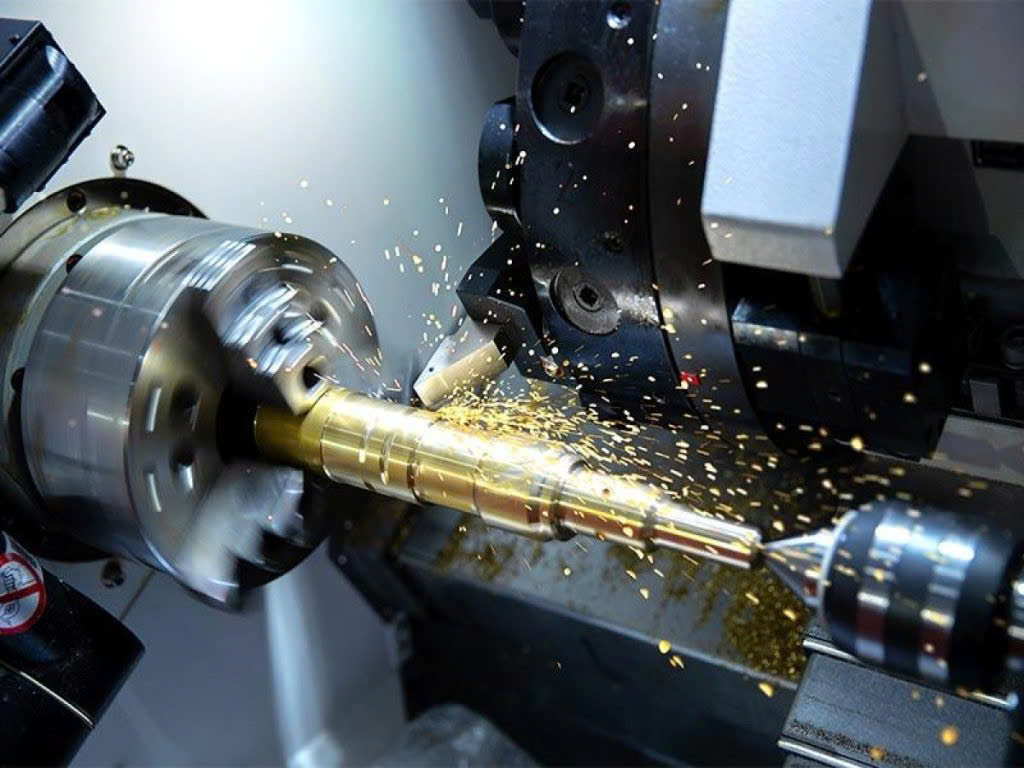
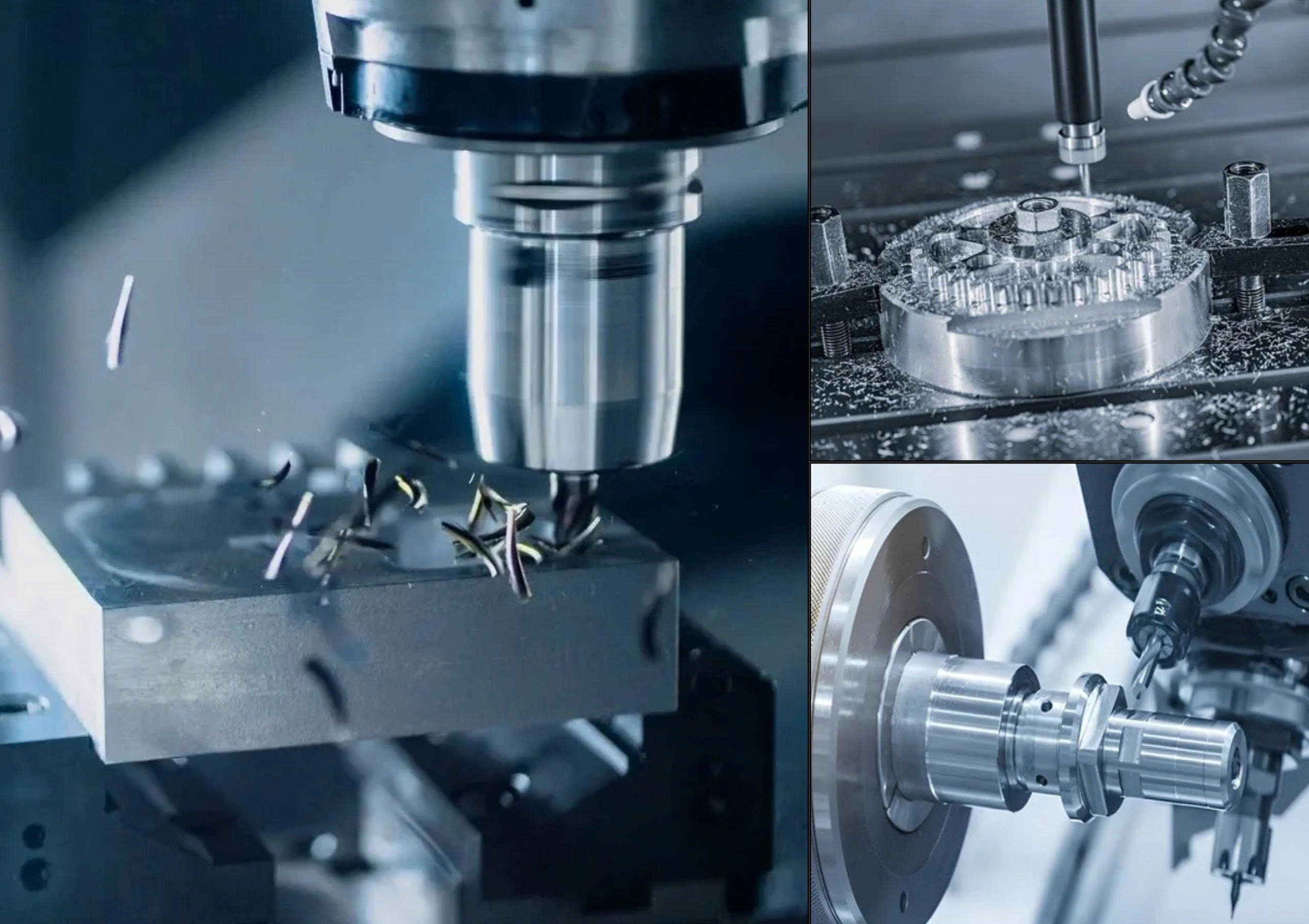
No. CNC machining typically focuses on removing material from solid workpieces, while sheet metal fabrication uses sheet materials and processes such as cutting, bending, and welding to form products.
Can sheet metal fabrication accommodate low-volume orders?
Yes. Depending on the product requirements and design characteristics, sheet metal fabrication can accommodate small-batch orders and prototype production.
Can sheet metal fabrication be combined with CNC machining?
Yes. Many industrial products combine CNC-machined components with sheet metal parts to meet structural and functional requirements.
Choose the Right Solution for Your Product
Sheet metal fabrication is one of the most effective manufacturing methods for a wide range of industrial equipment and structures.
If you need drawing-based fabrication or advice on the most suitable manufacturing approach, NTP Technology is ready to support you from technical evaluation through production implementation.
REQUEST A QUOTATION