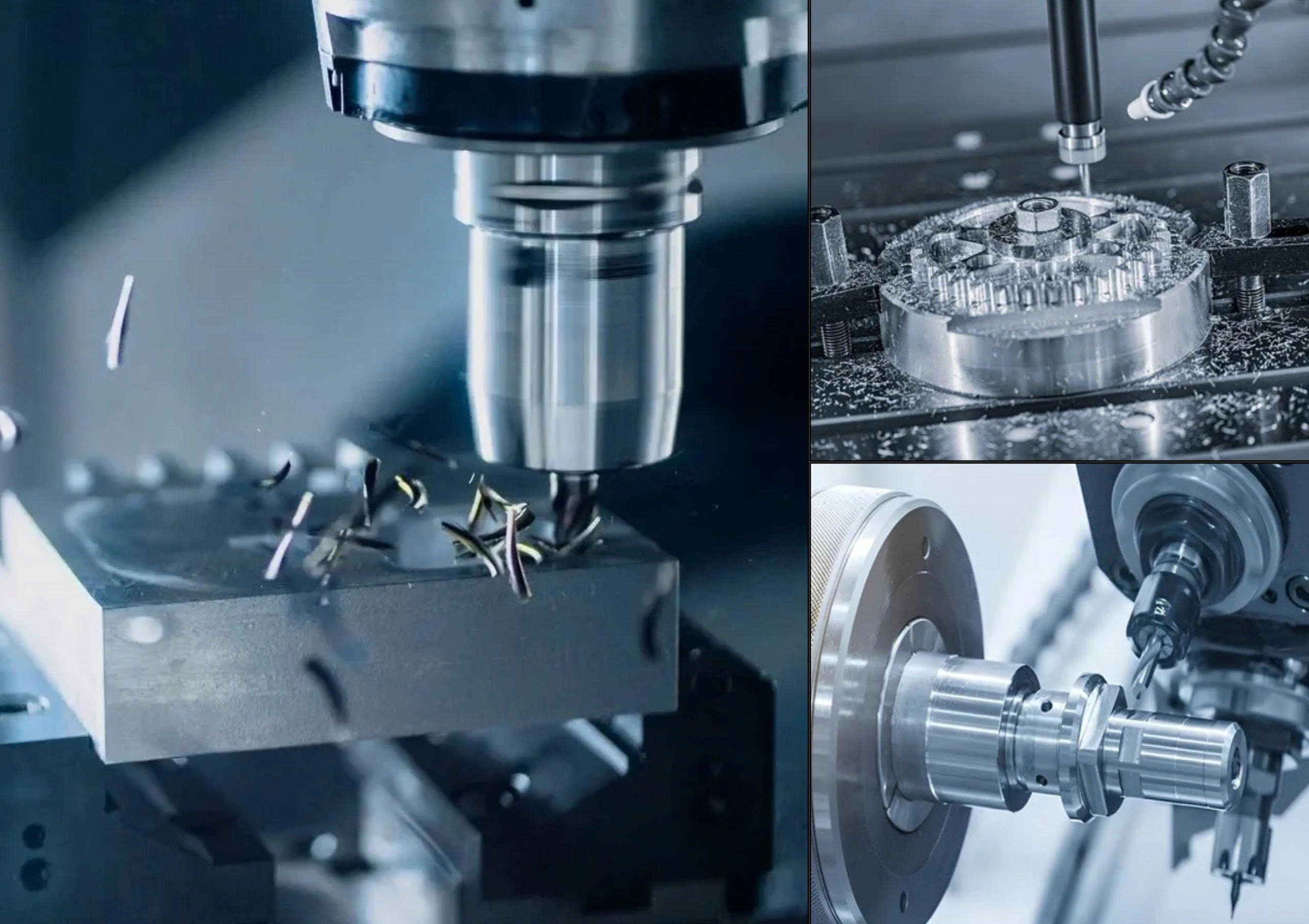


Learn what Jigs & Fixtures are, the differences between Jigs and Fixtures, and their roles in machining, assembly, and product quality inspection.
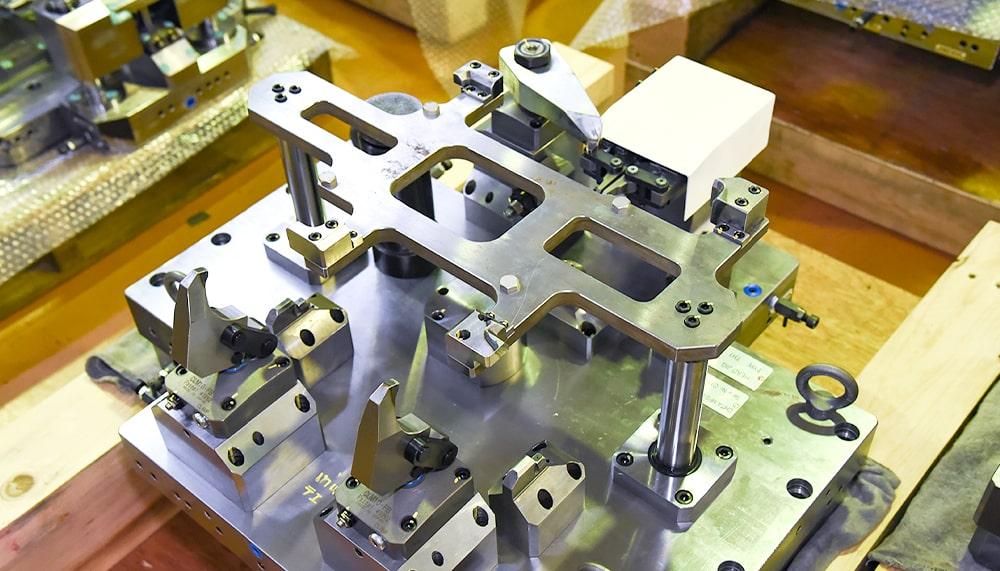
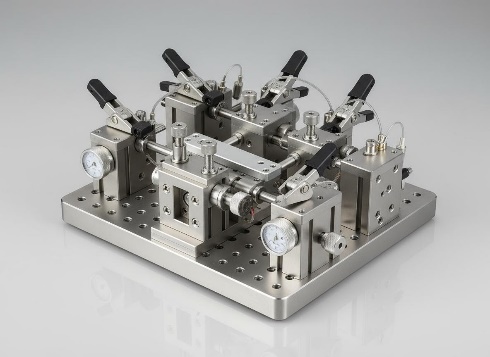
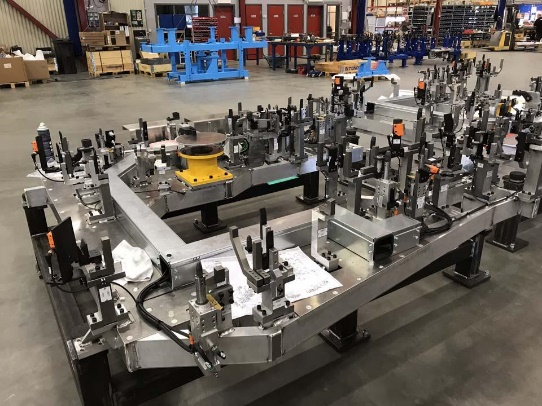
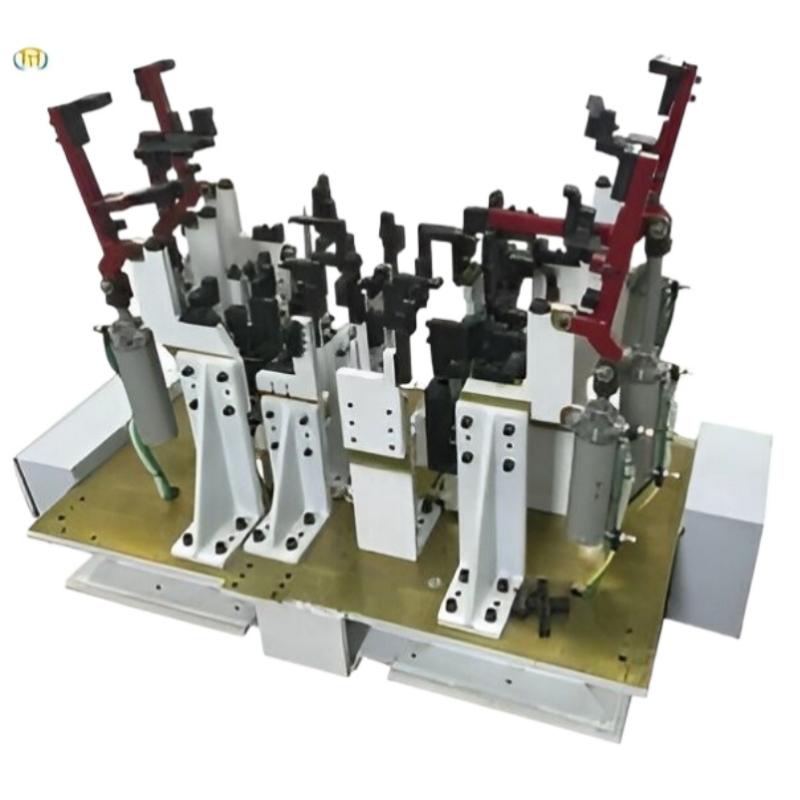
What Are Jigs & Fixtures?
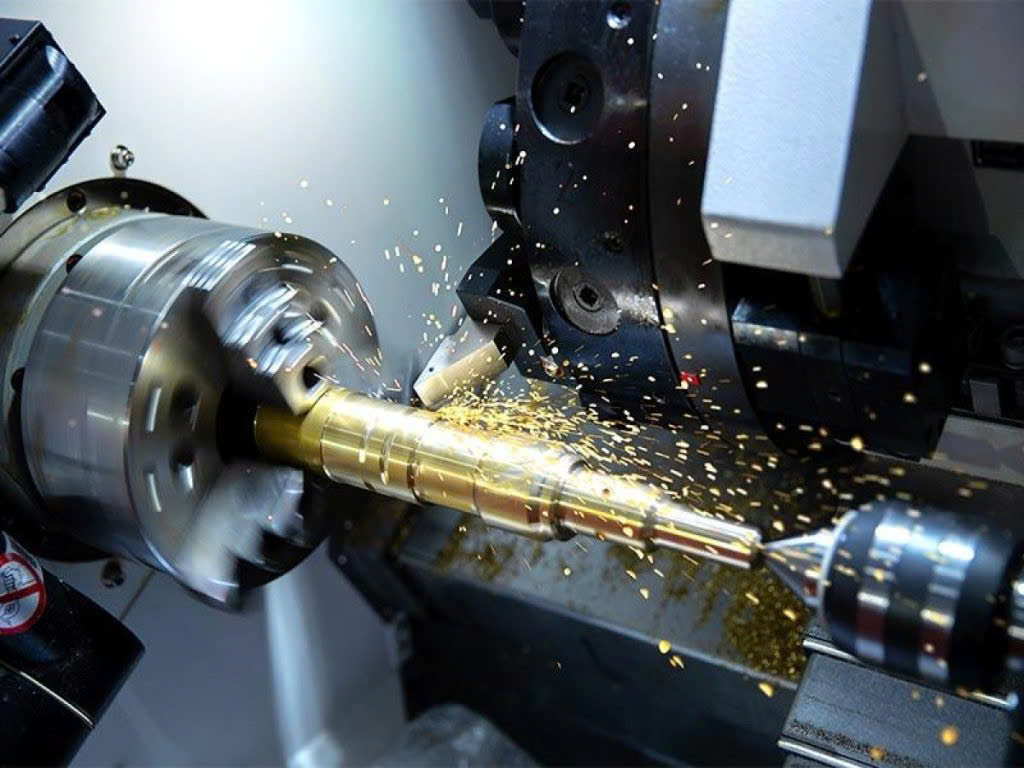
In industrial manufacturing, accurately locating and positioning components is essential for ensuring quality and productivity. This is why Jigs & Fixtures are widely used in manufacturing plants and mechanical machining operations.
Jigs and Fixtures are both workholding devices designed to hold or position components during the manufacturing process. However, each type serves a different function and is used for specific purposes.
Differences Between Jigs and Fixtures
| Jig | Fixture |
|---|---|
| Locates the workpiece and guides the cutting tool | Locates and secures the workpiece |
| Commonly used for drilling, reaming, and tapping | Commonly used for milling, turning, grinding, assembly, or inspection |
| Capable of guiding the cutting tool | Does not guide the cutting tool |
| May move together with the workpiece | Typically fixed to the machine or worktable |
Why Are Jigs & Fixtures Necessary?
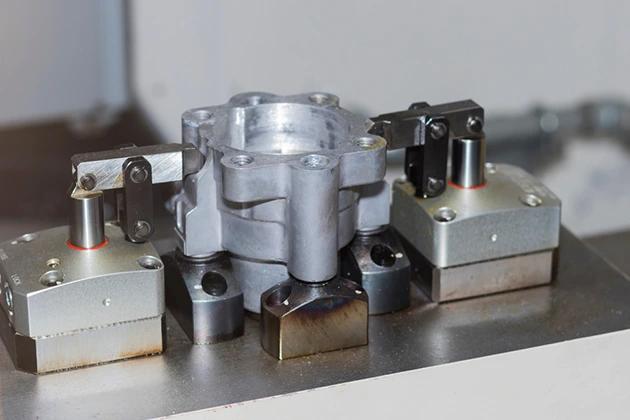
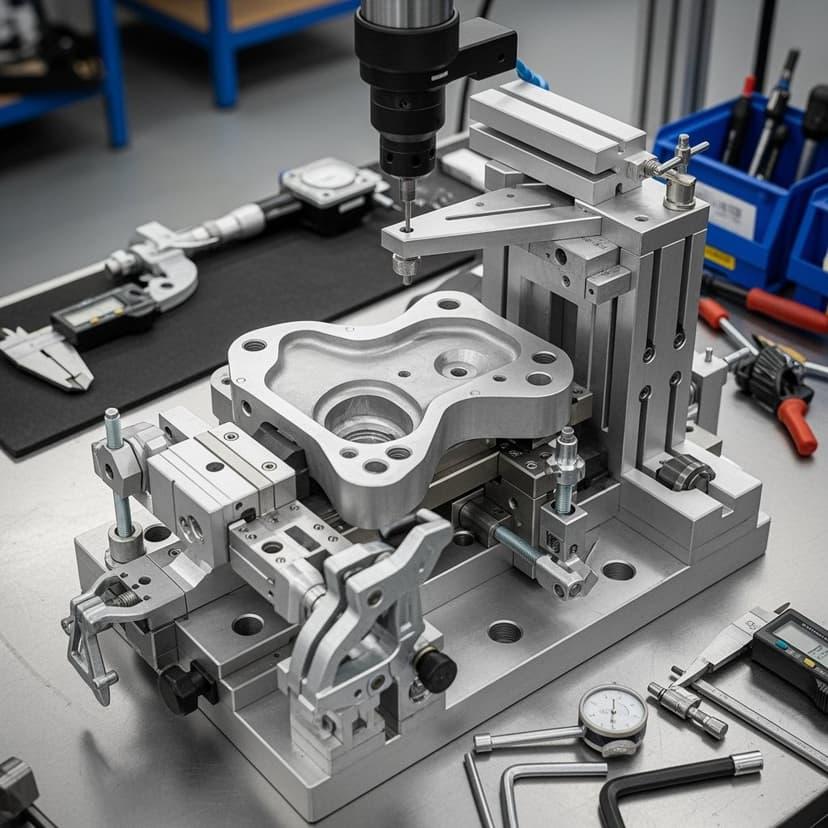
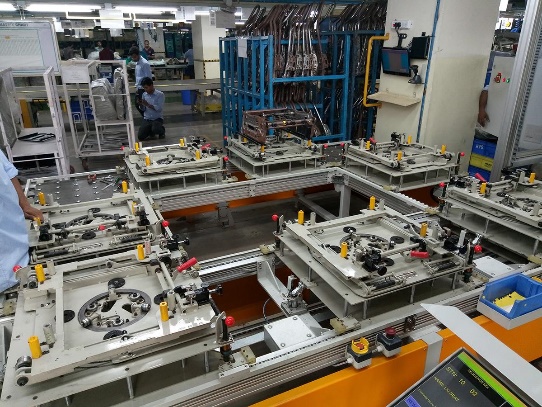
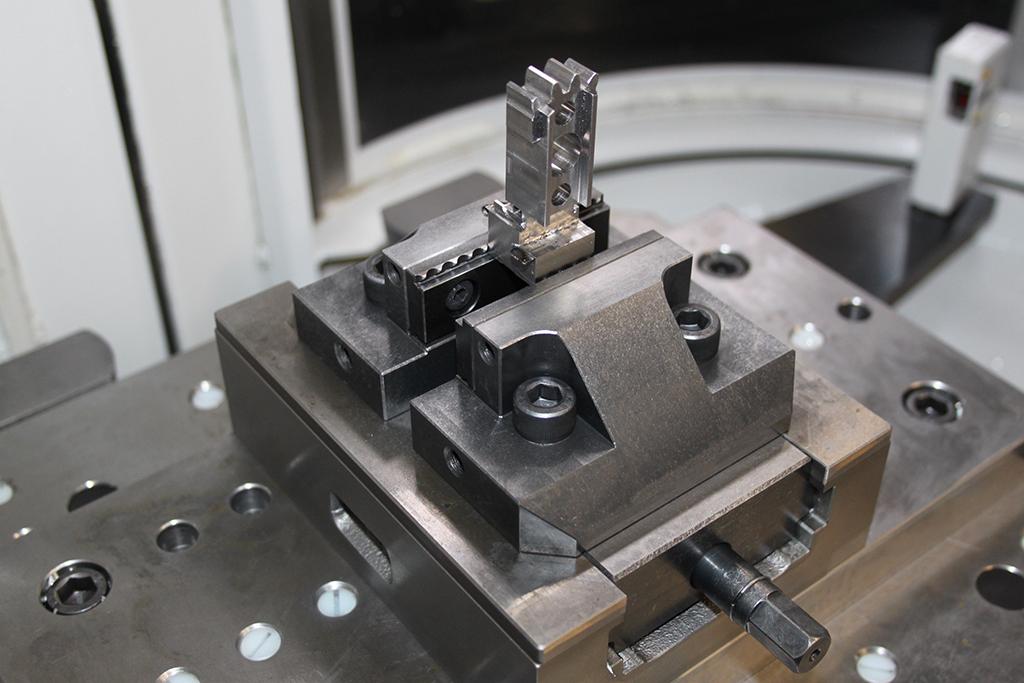
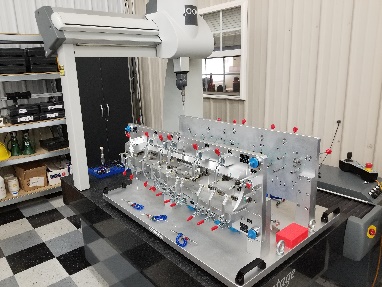
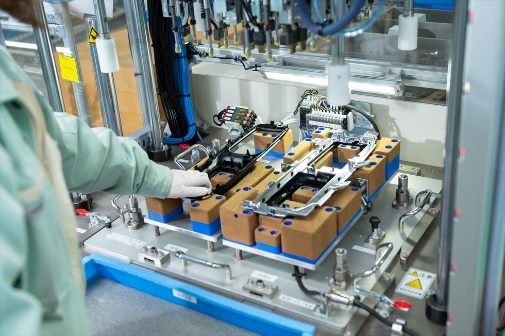
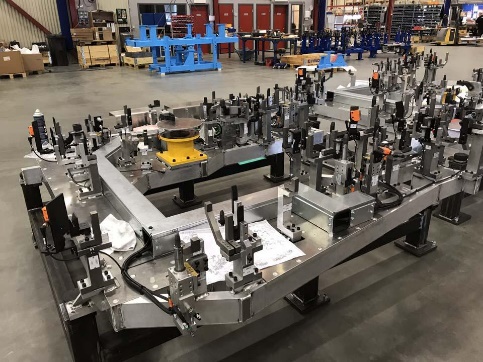
In mass production, manual workholding and setup can increase errors and extend operating time.
Jigs & Fixtures help address these challenges by:
- Accurately locating and positioning components.
- Reducing setup time.
- Minimizing operator-related errors.
- Improving consistency across products.
- Supporting faster inspection and assembly.
- Increasing production efficiency.
This is why specialized workholding devices are used across modern production lines.
Common Types of Jigs & Fixtures
Machining Fixtures
Used during milling, turning, drilling, or grinding operations to keep components stable throughout the machining process.
Assembly Fixtures
Help ensure components are assembled in the correct positions, reducing handling time and minimizing misalignment.
Inspection Fixtures
Used to inspect product dimensions, positioning, or assembly compatibility.
Welding Fixtures
Secure components during welding to help minimize deformation and maintain structural accuracy.
When Should You Invest in Jigs & Fixtures?
Designing and manufacturing Jigs & Fixtures is often beneficial when:
- Products are manufactured repeatedly.
- Increased productivity is required.
- High precision is essential.
- Setup time needs to be reduced.
- Greater production process stability is required.
For mass production, the initial investment cost is often offset by reduced production time and long-term manufacturing costs.
Real-World Applications
Jigs & Fixtures are widely used in various industries and applications, including:
- CNC machining.
- Sheet metal fabrication.
- Mechanical assembly.
- Quality inspection.
- Automation equipment.
- Automotive manufacturing.
- Electronics.
- Medical equipment.
Frequently Asked Questions
Are Jigs and Fixtures the same thing?
No. Both are workholding devices, but they serve different functions. A Jig also guides the cutting tool, while a Fixture is primarily used to secure and locate the workpiece.
Do Jigs & Fixtures need to be custom-designed for each product?
In many cases, yes. Jigs & Fixtures are typically designed according to the characteristics of each component or production stage to achieve the highest level of efficiency.
When should Jigs & Fixtures be used?
For products manufactured repeatedly or requiring high precision, using Jigs & Fixtures can help increase productivity and reduce errors during the manufacturing process.
Optimize Your Manufacturing Process with Jigs & Fixtures
Jigs & Fixtures are more than just supporting tools; they are an important part of improving manufacturing quality and efficiency.
If your business is looking for custom Jig & Fixture design or manufacturing solutions, NTP Technology is ready to support you from consultation and design through fabrication and finishing.
REQUEST A CONSULTATION & QUOTATION