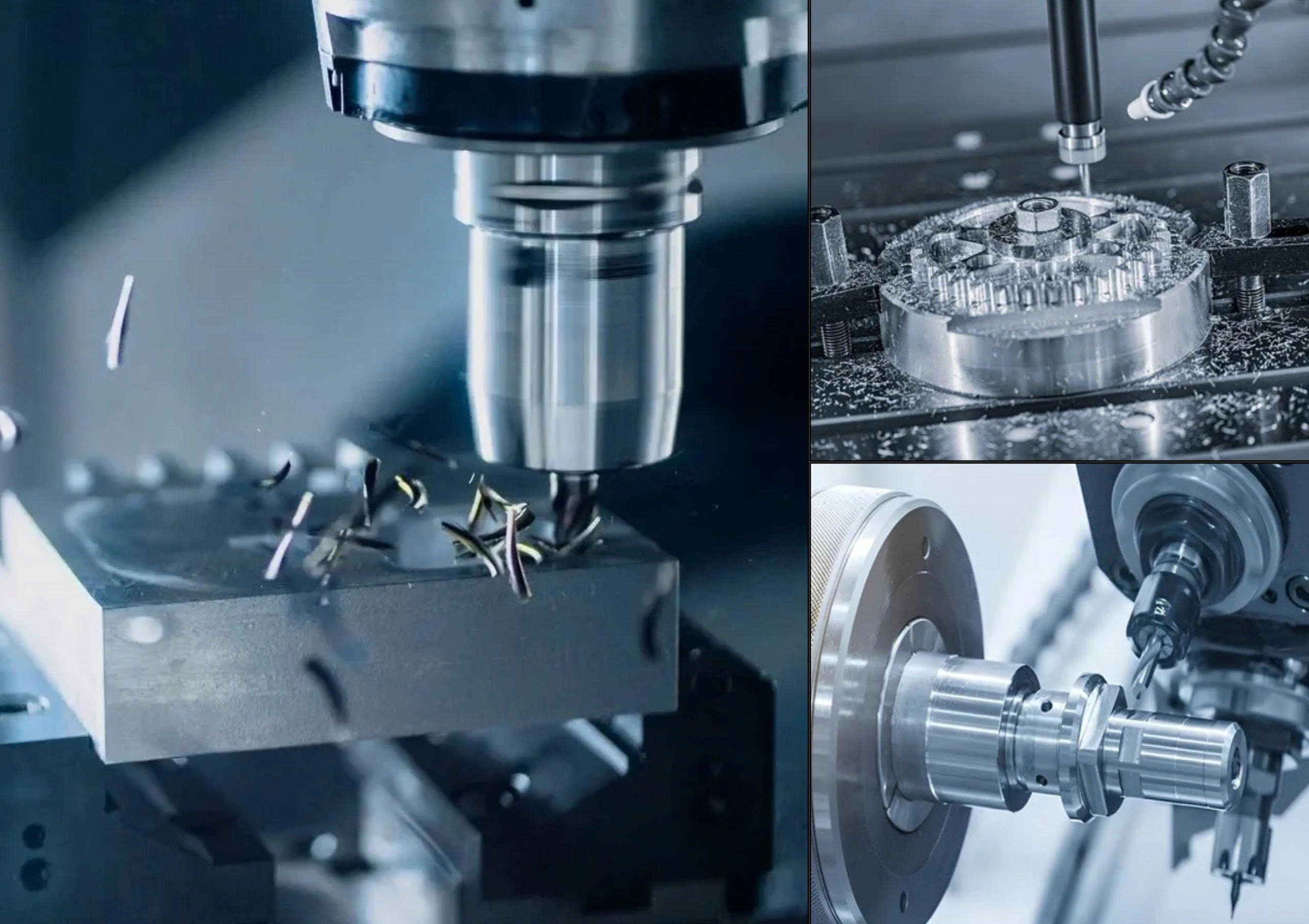


NTP Technology supports customers in analysing and optimising designs based on DFM (Design for Manufacturing) principles, helping businesses reduce costs, shorten machining times and improve manufacturability.
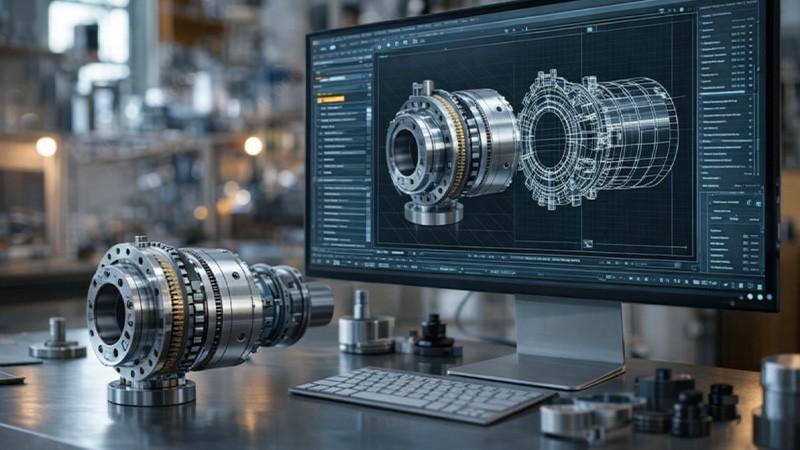
Good Design Enables More Efficient Manufacturing
A product may perform well from a technical perspective, but this does not necessarily mean that it is optimised for manufacturing.
In practice, many drawings are designed without fully considering manufacturability, which can lead to longer production times, higher costs or unnecessary manufacturing processes.
At NTP Technology, we support customers in evaluating designs based on DFM (Design for Manufacturing) principles, with the aim of making products easier to manufacture while still meeting technical requirements.
What Is DFM?
Design for Manufacturing (DFM) is a method of evaluating and improving a design so that a product can be manufactured more efficiently.
DFM does not change the function of the product. Instead, it focuses on:
- Simplifying the machining process.
- Reducing the number of manufacturing operations.
- Minimising difficult-to-machine features.
- Optimising materials and manufacturing methods.
- Improving ease of assembly and inspection.
The ultimate goal is to achieve consistent product quality with reasonable costs and production times.
When Should DFM Be Carried Out?
DFM is particularly useful in the following situations:
- Developing a new product.
- Moving from prototypes to mass production.
- Machining costs are higher than expected.
- The design contains many complex features.
- Production lead times need to be shortened.
- Optimising the supply chain and materials.
Carrying out DFM at an early stage can help reduce the need for changes during production.
What Does NTP Technology Support?
Our engineering team works with customers to review factors that affect manufacturability, including:
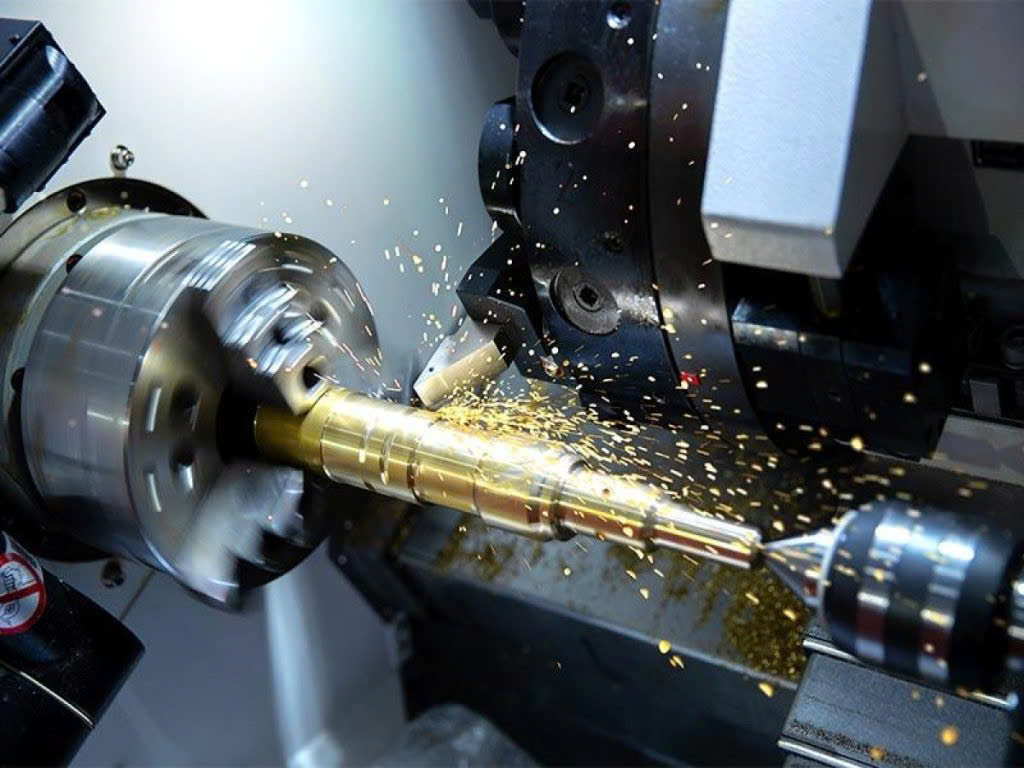
Machinability
We assess whether the design is suitable for the intended machining methods and recommend adjustments where necessary.
Material Selection
We review whether the selected material is suitable for the technical requirements, working environment and material availability.
Tolerances
We assess whether the specified tolerances are genuinely necessary or can be adjusted to reduce costs while maintaining the product’s functionality.
Part Geometry
We review the shape, thickness, corner radii, holes, threads and other geometric features to improve machinability.
Manufacturing Process
We propose solutions to reduce the number of operations, minimise repeated setups and improve production efficiency.
Benefits of DFM
Applying DFM can provide businesses with a range of benefits:
- Reduced production costs.
- Shorter machining times.
- Improved product consistency.
- Reduced risk of manufacturing defects.
- Increased suitability for mass production.
- Fewer design changes after production begins.
For high-volume products, even small design improvements can deliver significant benefits.
DFM Consulting Process
- Receive drawings or 3D models.
- Analyse technical requirements and intended application.
- Assess manufacturability.
- Propose optimisation options, where appropriate.
- Discuss and agree on the proposed changes with the customer.
- Proceed with quotation or production based on the selected solution.
All proposed changes are only implemented with the customer’s approval.
Frequently Asked Questions
I have already completed the drawing. Do I still need a DFM assessment?
If the product is about to enter production or is intended for high-volume manufacturing, a DFM assessment can help identify areas for optimisation before production begins.
Will DFM change the function of the product?
No. The aim of DFM is to improve manufacturability while maintaining the product’s technical requirements and functionality.
Can DFM be applied to prototypes?
Yes. Carrying out DFM during the prototype stage can make the transition to mass production more efficient.
Supporting You from the Design Stage
A good decision at the design stage can save significant time and costs throughout the product’s life cycle.
If you are developing a new product or would like to assess the manufacturability of an existing design, the NTP Technology engineering team is ready to discuss your requirements and propose suitable solutions.
REQUEST DFM CONSULTATION