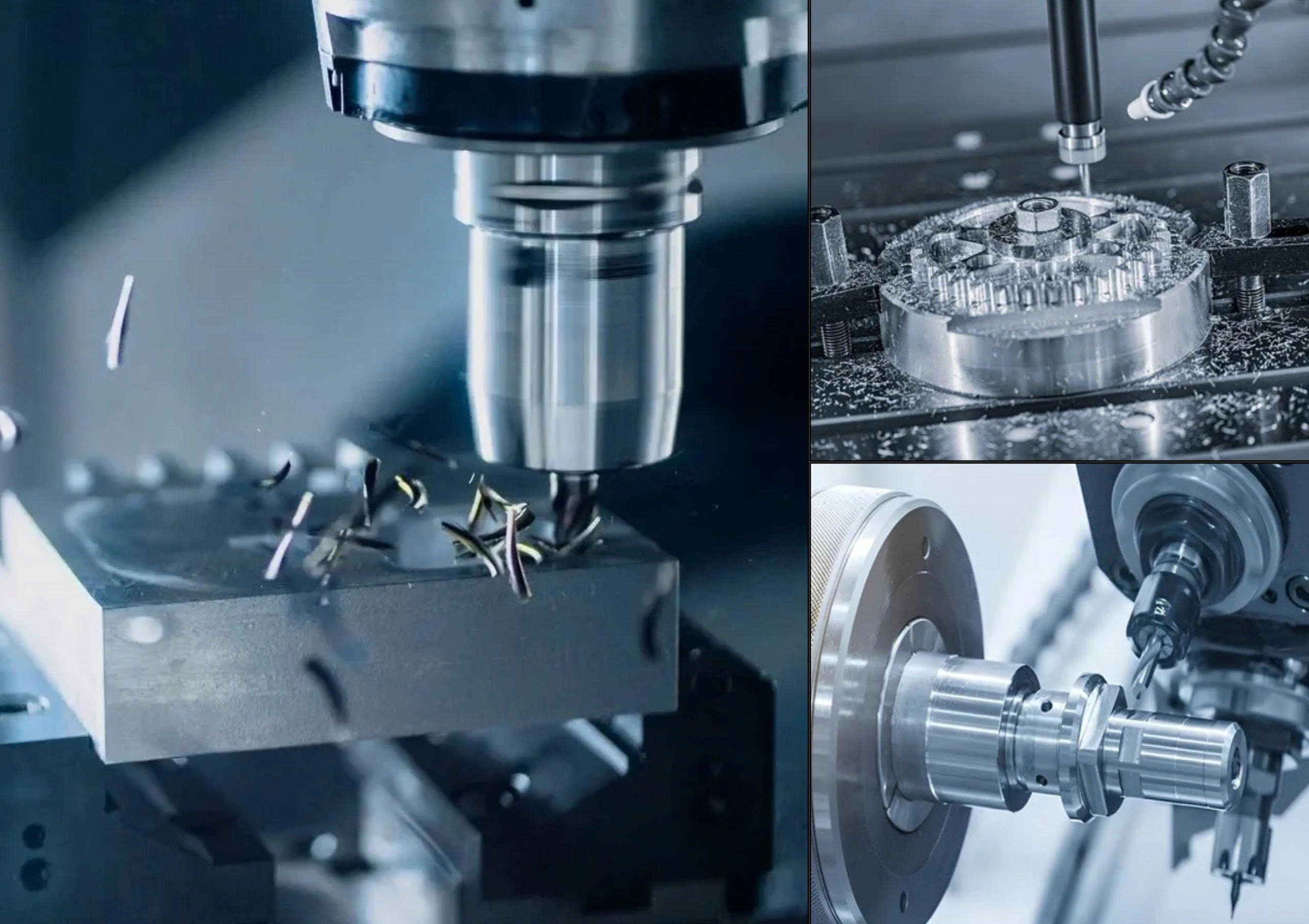


CNC machining is a manufacturing technology that uses computer-controlled machines to produce high-precision components. Learn about the CNC machining process, its advantages, and applications.
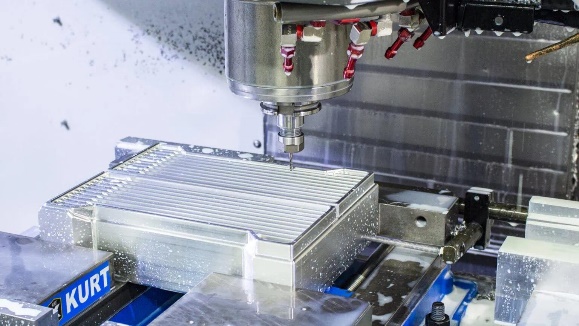
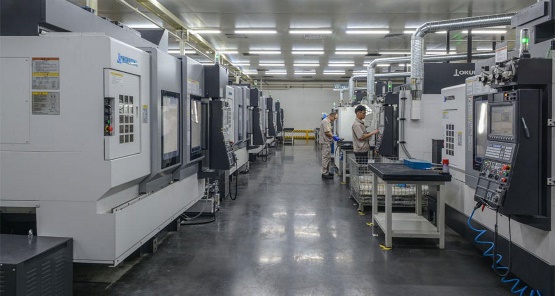
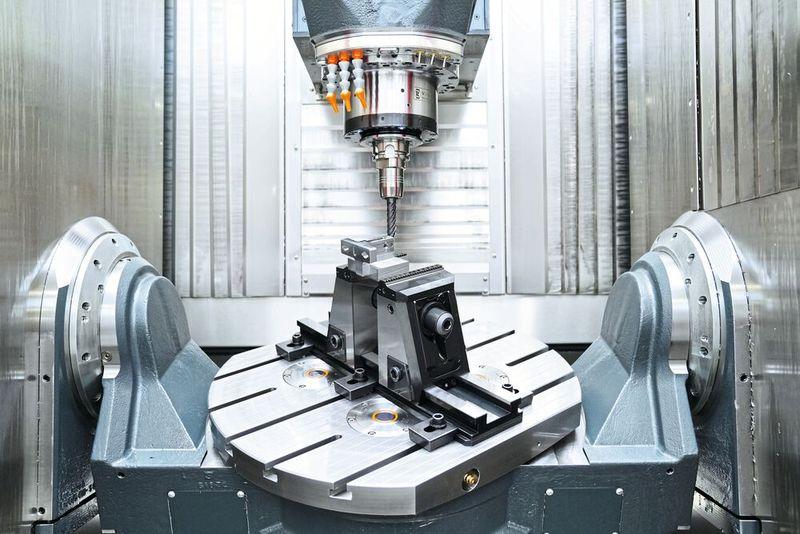
What Is CNC Machining?
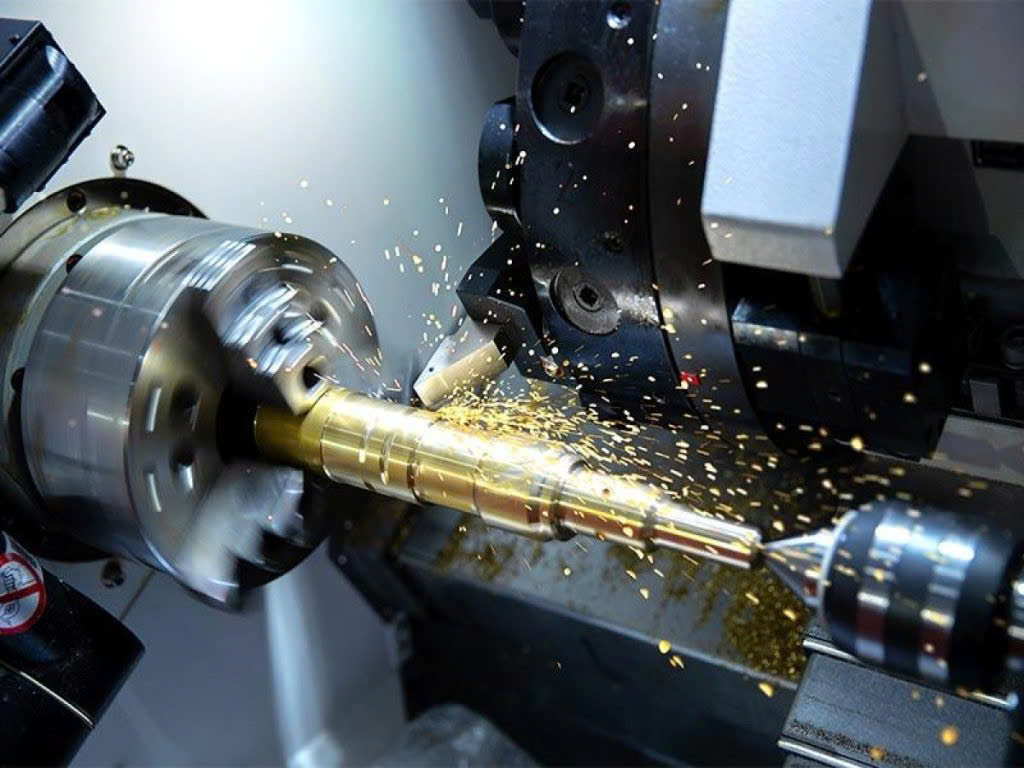
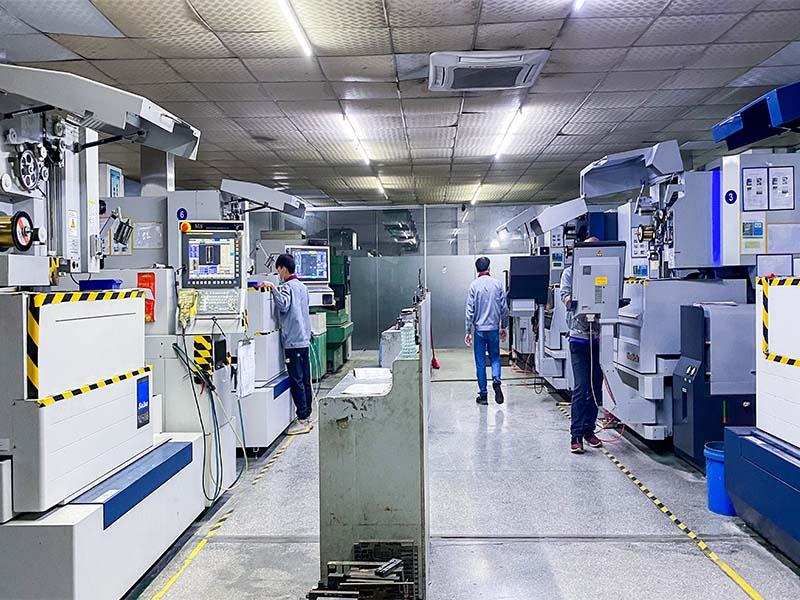
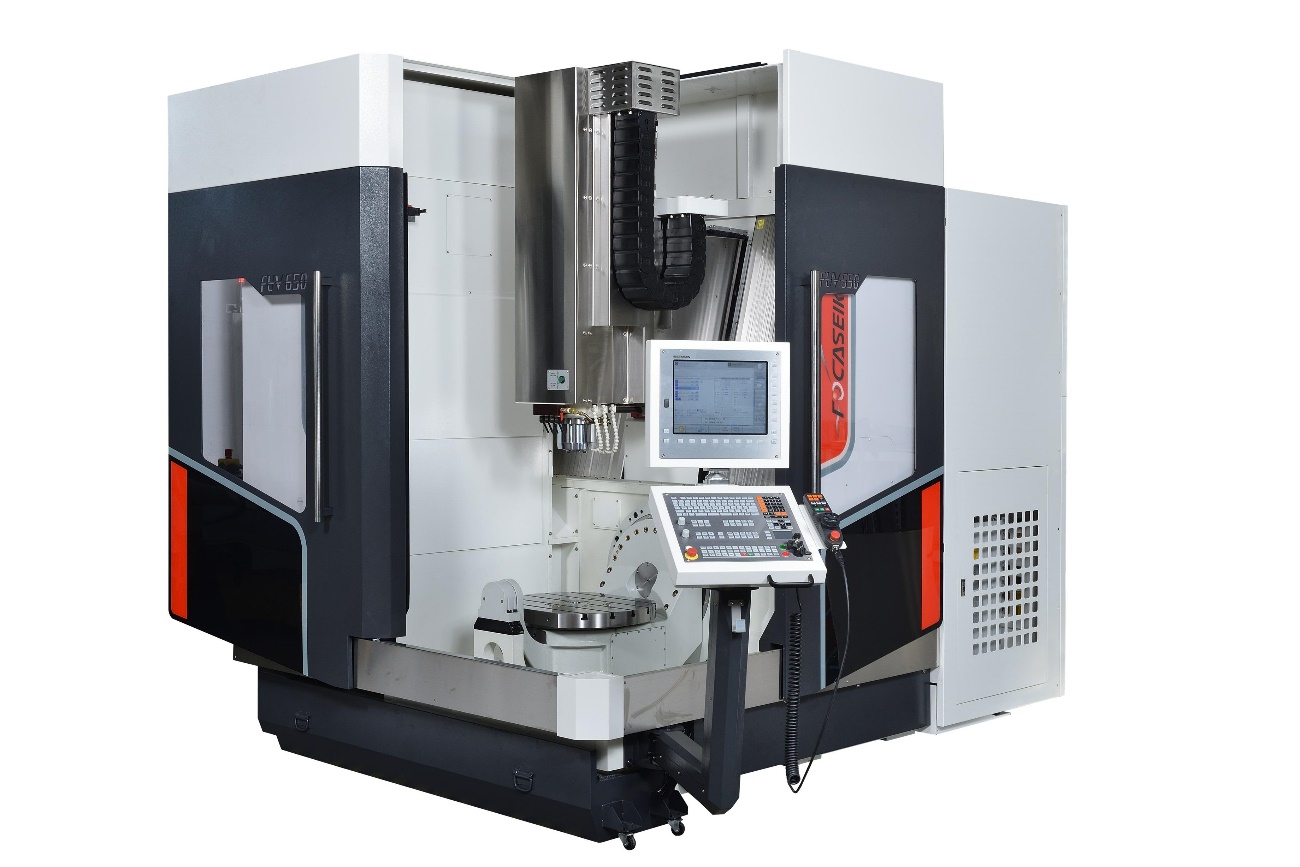
CNC machining (Computer Numerical Control) is a mechanical machining method that uses computer-programmed machines to manufacture components according to technical drawings.
Compared to manual machining, CNC technology improves precision, ensures consistency across products, and effectively meets production requirements ranging from small quantities to mass production.
Today, CNC machining is widely used in various industries, including mechanical manufacturing, automation, electronics, automotive, medical, and aerospace.
How Does CNC Machining Work?
The CNC machining process typically includes the following steps:
- Product DesignEngineers create 2D drawings or 3D models using CAD software.
- CNC ProgrammingDrawing data is converted into a CNC machine control program using CAM software.
- Production PreparationThe operator selects the material and cutting tools, then securely fixtures the workpiece onto the machine.
- MachiningThe CNC machine performs programmed movements to produce components with the required precision.
- Quality InspectionAfter machining, products are inspected for dimensions, tolerances, and technical requirements before proceeding to the next stage or being delivered.
Advantages of CNC Machining
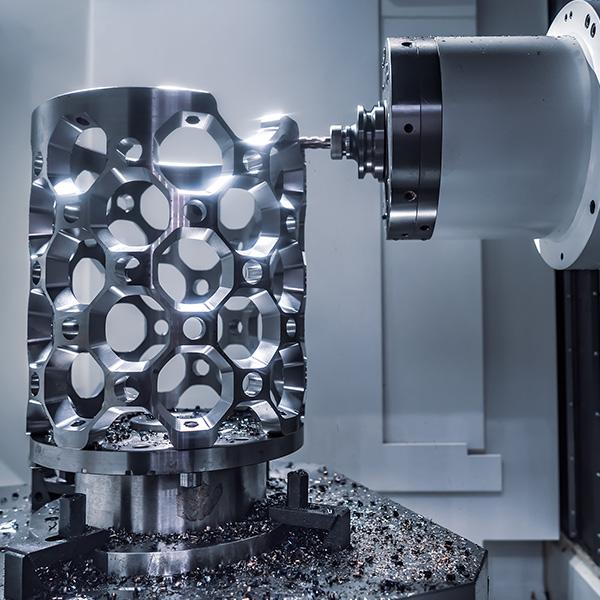
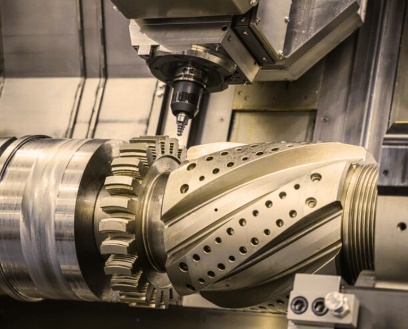
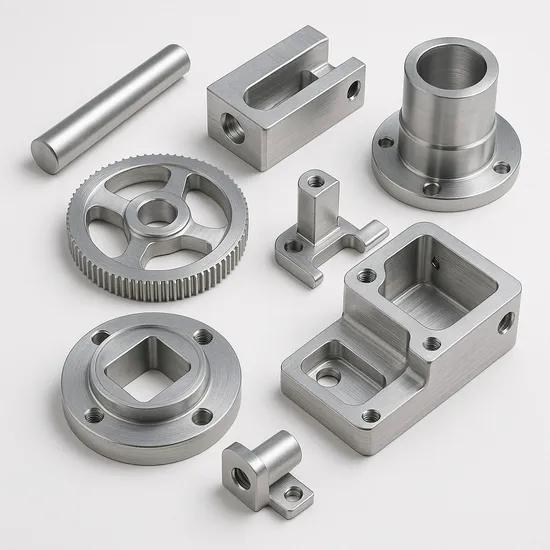
CNC machining offers numerous benefits for modern manufacturing:
- High precision.
- Consistent product quality.
- Ability to machine components with complex geometries.
- Reduced errors caused by manual operations.
- Suitable for prototypes through mass production.
- Easy process repeatability when additional production is required.
Materials Suitable for CNC Machining
CNC technology can be applied to a wide range of materials, including:
Metals
- Aluminum.
- Carbon steel.
- Alloy steel.
- Stainless steel.
- Copper.
Engineering Plastics
- POM.
- PTFE.
- MC Nylon.
- PEEK.
- Other engineering plastics.
Material selection depends on the technical requirements and operating conditions of the product.
Applications of CNC Machining
CNC machining is used to manufacture a wide variety of components, including:
- Machine components.
- Jigs & fixtures.
- Automation components.
- Electronic equipment components.
- Medical equipment components.
- Automotive components.
- OEM products.
- Components manufactured according to technical drawings.
When Should You Choose CNC Machining?
CNC machining is a suitable solution when products require:
- High precision.
- Tight tolerances.
- Complex geometries.
- Consistent quality across production batches.
- Repeatable manufacturing capabilities.
For products requiring high quality and consistency, CNC machining is often a more effective choice than traditional machining methods.
Frequently Asked Questions
Is CNC machining suitable for low-volume production?
Yes. CNC machining is suitable for prototypes, trial production, and orders ranging from small to large quantities.
Can a product be machined using only a PDF drawing?
In many cases, a PDF drawing is sufficient for preliminary evaluation and quotation. If additional data is required for production, the machining provider will discuss the requirements further with the customer.
Can CNC machining achieve absolute precision?
No machining method can achieve absolute precision. Product accuracy depends on technical requirements, material, equipment, machining methods, and quality control processes.
Find the Right CNC Machining Partner
In addition to equipment and machinery, a CNC machining provider needs the ability to analyze technical drawings, select appropriate manufacturing methods, and control quality to ensure products meet technical requirements.
If you are looking for a CNC machining partner for drawing-based manufacturing, NTP Technology is ready to support you from quotation and production through to delivery.
REQUEST A QUOTATION