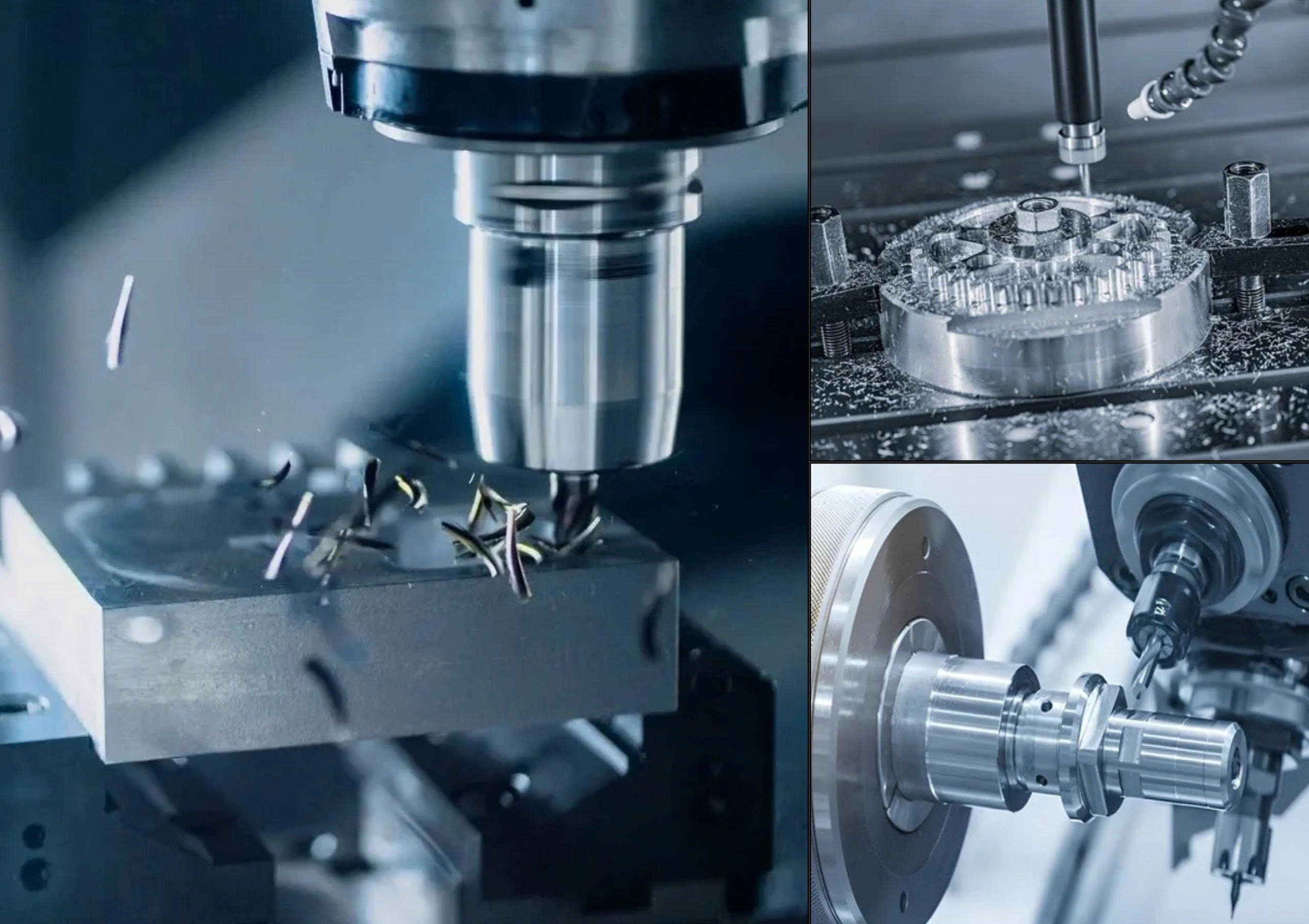


Learn what machine component machining is, common machining methods, the manufacturing process, and its applications across various modern industries.
What Is Machine Component Machining?
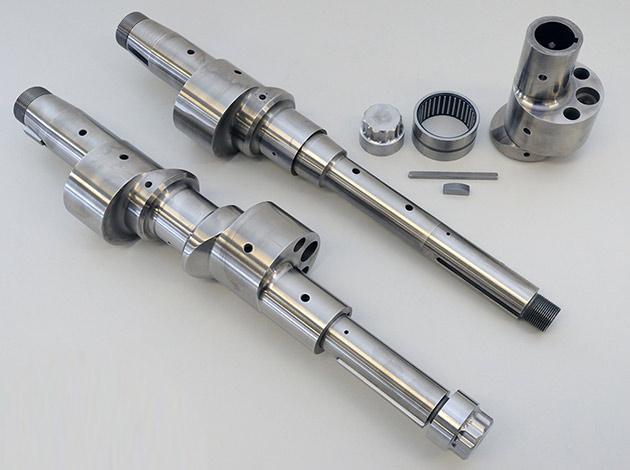
Machine components are individual parts manufactured for assembly into machinery, equipment, or production lines.
Machine component machining is the process of manufacturing these components from raw materials according to technical drawings, ensuring they meet requirements for dimensions, tolerances, strength, and assembly compatibility.
This is a core field of mechanical manufacturing and plays an important role in nearly every modern industry.
Machine Component Machining Process
A machining project typically involves the following steps:
- Drawing ReviewAnalyze technical drawings, material requirements, quantities, and applicable standards.
- Machining Method SelectionDepending on the component’s geometry and technical requirements, multiple technologies may be combined, including:
- CNC milling.
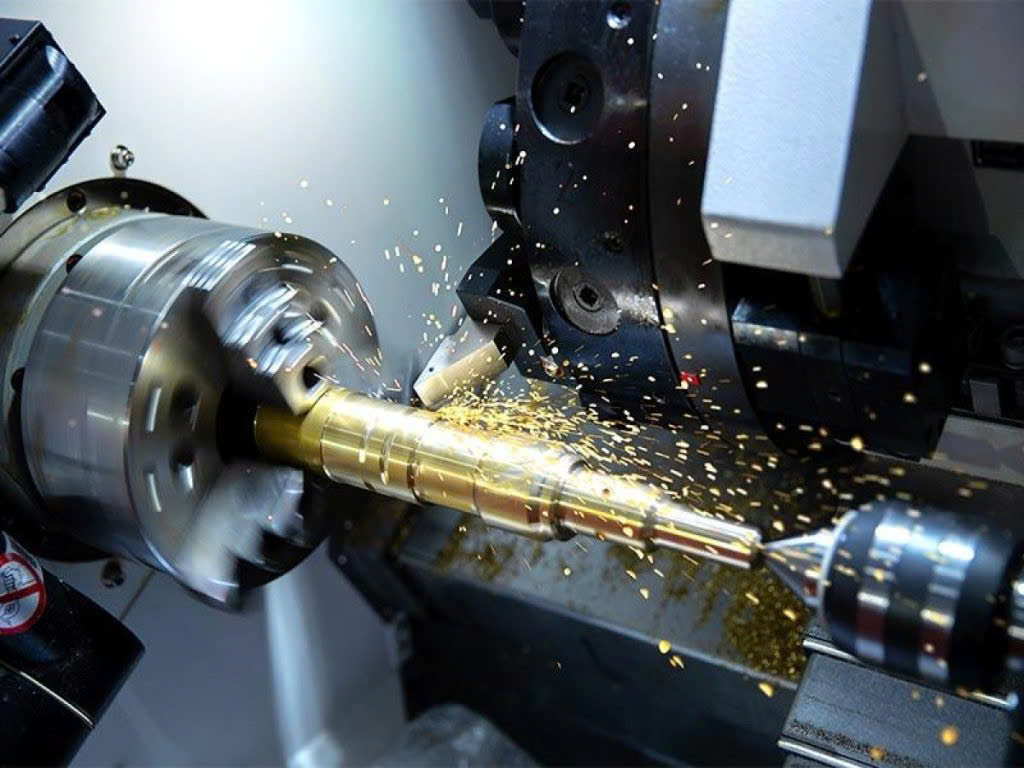
- CNC turning.
- Drilling and tapping.
- Grinding.
- Wire EDM.
- Thread machining.
- Surface treatment.
- MachiningThe required operations are performed according to the established process to produce components that conform to the technical drawings.
- Quality InspectionProducts are inspected for dimensions, tolerances, and technical requirements before delivery.
Commonly Used Materials
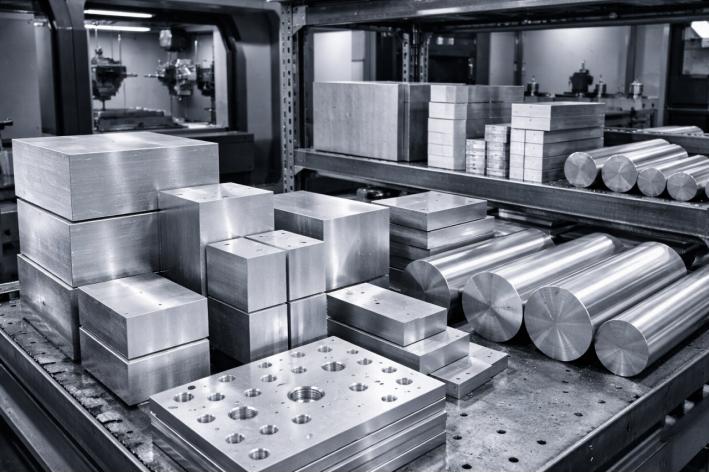
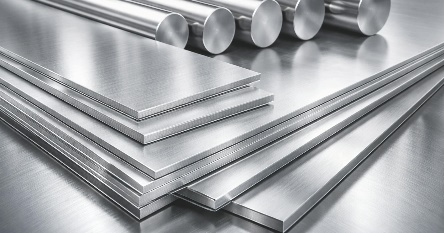
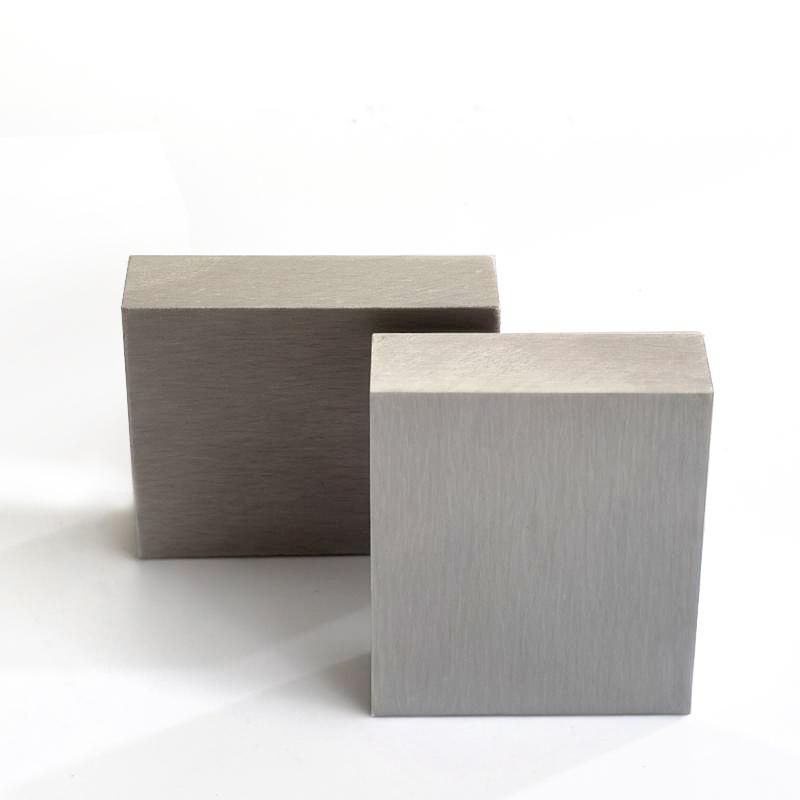
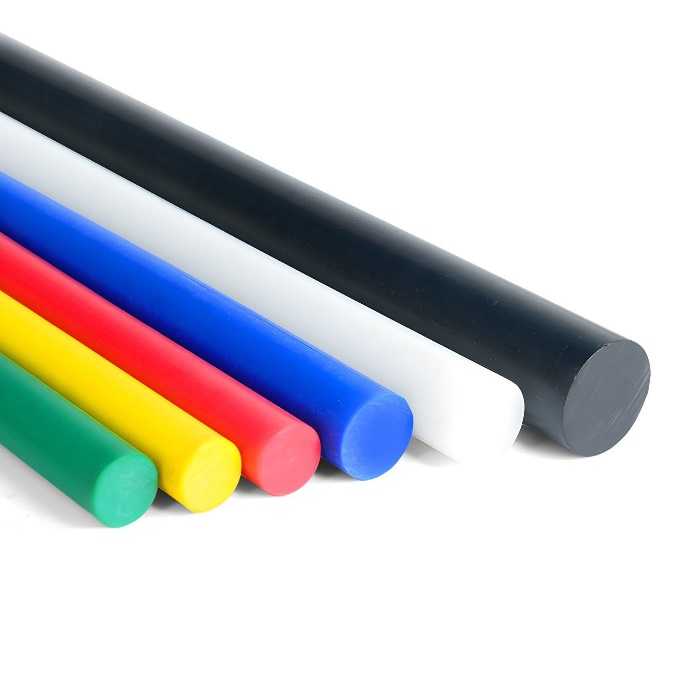
Machine component machining can be applied to a wide range of material groups:
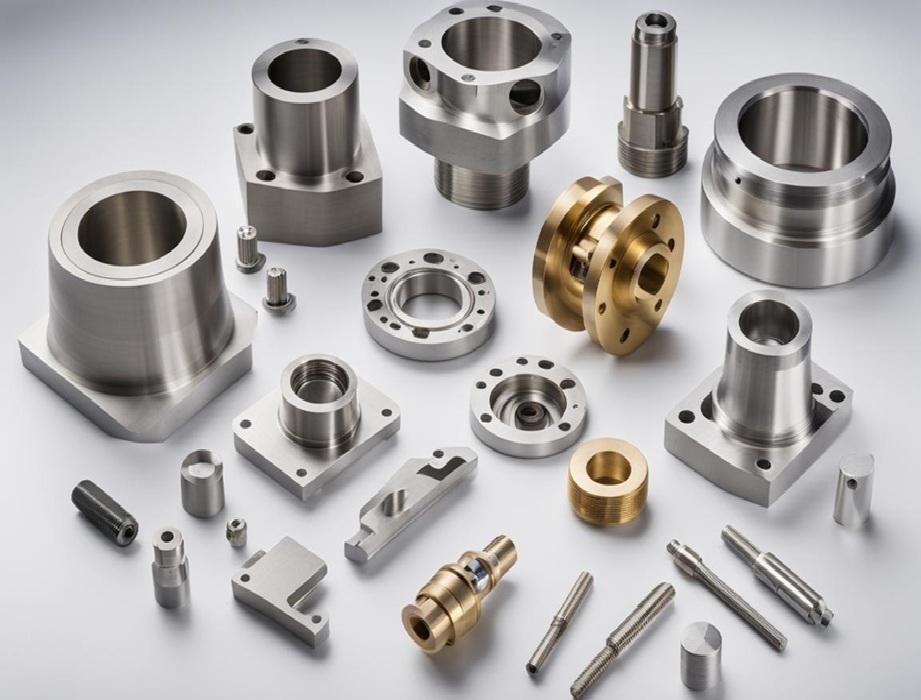
Metals
- Aluminum.
- Carbon steel.
- Alloy steel.
- Stainless steel.
- Copper.
Engineering Plastics
- POM.
- PTFE.
- MC Nylon.
- PEEK.
- Other engineering materials.
Material selection depends on the operating environment, load-bearing requirements, and product function.
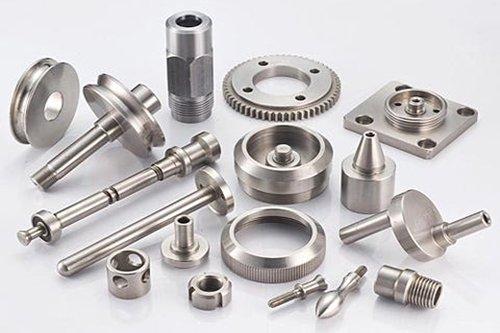
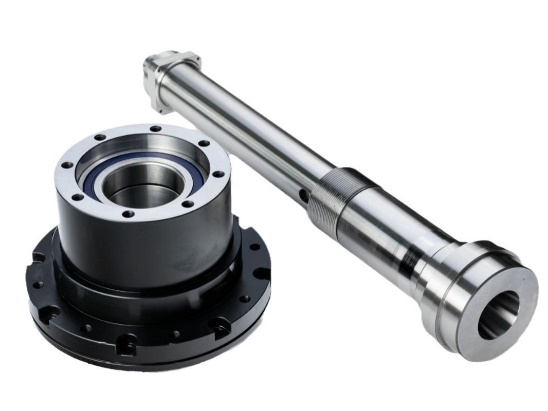
Commonly Machined Components
Common products include:
- Shafts.
- Bushings.
- Brackets.
- Machine bases.
- Fixture plates.
- Automation machine components.
- Jig & Fixture components.
- OEM components.
- Replacement parts.
Each type of component has specific requirements for precision, material, and machining methods.
Real-World Applications
Machine component machining is widely used in:
- Mechanical manufacturing.
- Automation equipment.
- Automotive manufacturing.
- Electronics.
- Medical equipment.
- Industrial machinery.
- Packaging equipment.
- Production lines.
When Should You Order Drawing-Based Machining?
Drawing-based machining is a suitable option when you need to:
- Manufacture components that are not readily available on the market.
- Replace discontinued components.
- Develop new products.
- Produce prototypes before mass production.
- Manufacture components according to specific business requirements.
Preparing complete technical drawings helps streamline the quotation and manufacturing processes.
Frequently Asked Questions
Can components be machined using only a PDF drawing?
Yes. A PDF drawing is generally sufficient to evaluate machining feasibility and prepare a preliminary quotation. If additional data is required for production, the machining provider will discuss the requirements with the customer.
Do you accept low-volume machining orders?
Yes. Many machining providers, including NTP Technology, can accommodate projects ranging from prototypes to mass production.
Can multiple machining methods be combined for a single product?
Yes. A machine component may require a combination of processes such as milling, turning, grinding, wire EDM, or surface treatment to meet all technical requirements.
Choose the Right Machining Partner
In addition to machinery and equipment, a machining provider needs the ability to analyze technical drawings, select an appropriate manufacturing process, and control quality to produce components that meet technical requirements.
If you are looking for a partner for drawing-based machine component machining, NTP Technology is ready to support you from consultation and quotation through production and delivery.
REQUEST A QUOTATION